Our Story · Nemet Family Vintners
A name carries
everything.
Kareen is not a brand. It is a city. A history. A family that crossed an ocean and planted something that would outlast the crossing.
Scroll
Kareen is not a brand. It is a city. A history. A family that crossed an ocean and planted something that would outlast the crossing.
Wine has been made in Armenia for over eight thousand years. Rose Nemet grew up knowing this — not as a fact, but as a feeling. That the land her family came from had been turning grapes into meaning long before anyone thought to write it down.
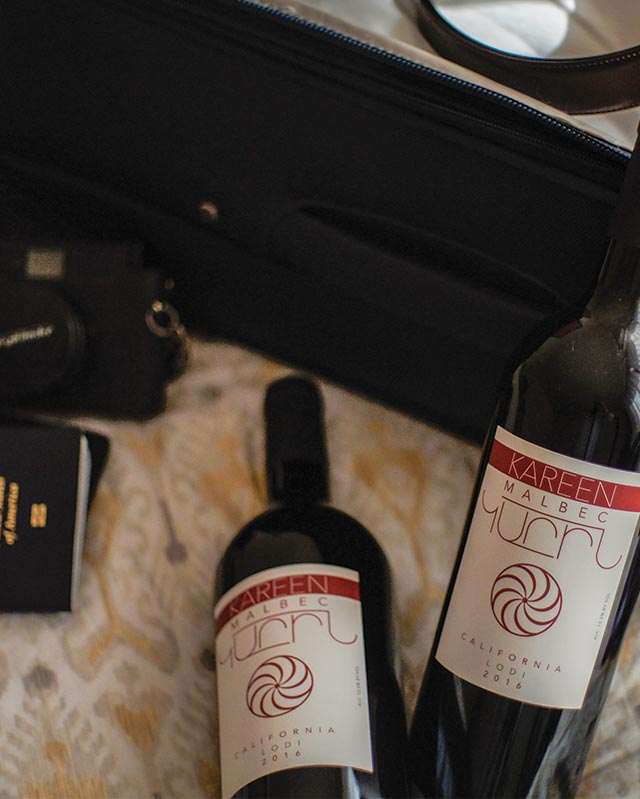
Kareen — or Karin as it was known — is an ancient city in the Armenian highlands. For Rose Nemet’s family, it is not a place on a map. It is the place the family left behind, and the name they carried forward. When it came time to name the winery, there was no other choice.
The label bears the Arevakhach: the Armenian eternity symbol. A circle of eternity, a wheel of the sun. It appears on churches and manuscripts dating back a thousand years. It is also the emblem of a family that intends to make wine for a very long time.
Armenia is widely considered one of the oldest wine-producing regions in the world. Archaeological evidence of winemaking in the Areni-1 cave complex dates to approximately 6100 BC — making it among the earliest known examples of viniculture anywhere on earth.
Two people who decided, in 2010, to stop drinking other people’s wine and start making their own. It took six years and a lot of failed experiments before a bottle left the house with a label on it.
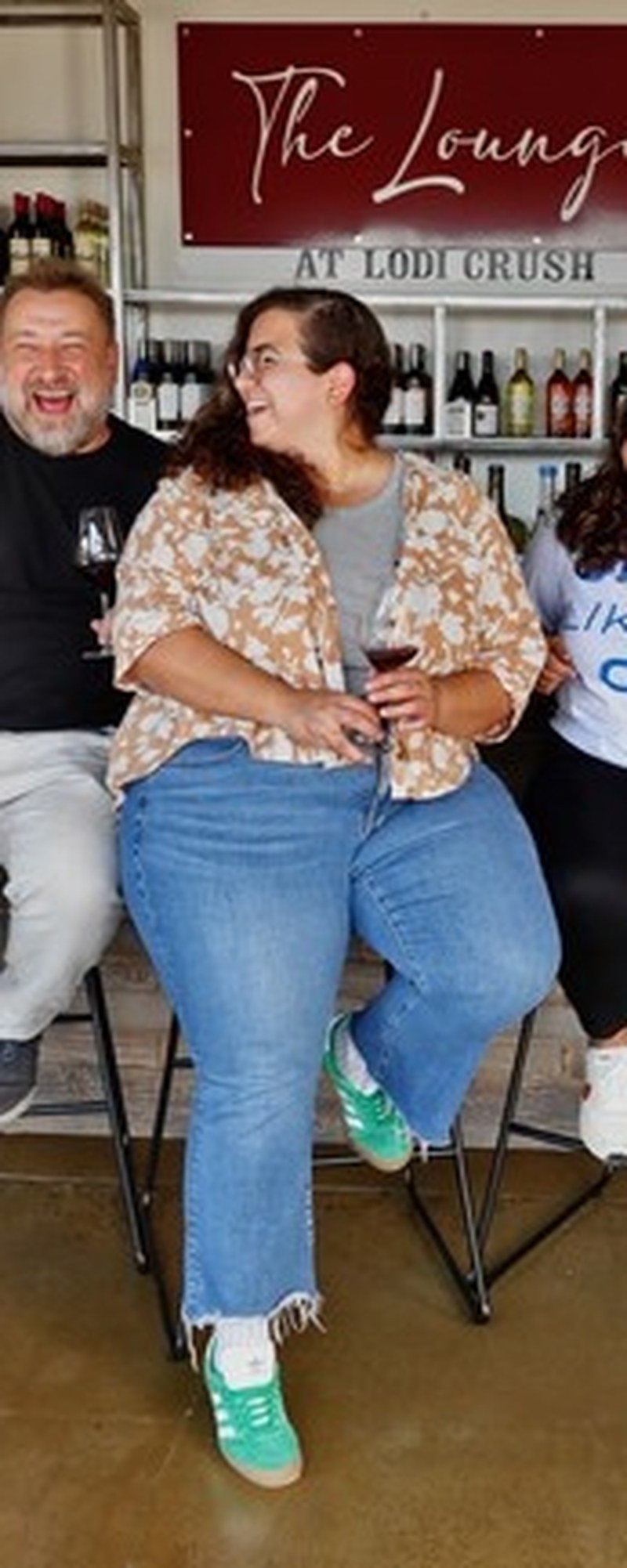
Rose grew up with wine as a language. Her family’s connection to the Armenian city of Kareen — a city that had been making wine centuries before any European appellation existed — shaped not just the name of the winery, but its entire reason for being. She is currently mapping indigenous Armenian varietals for future plantings, a project that may be the most ambitious thing Kareen Wine has ever attempted.
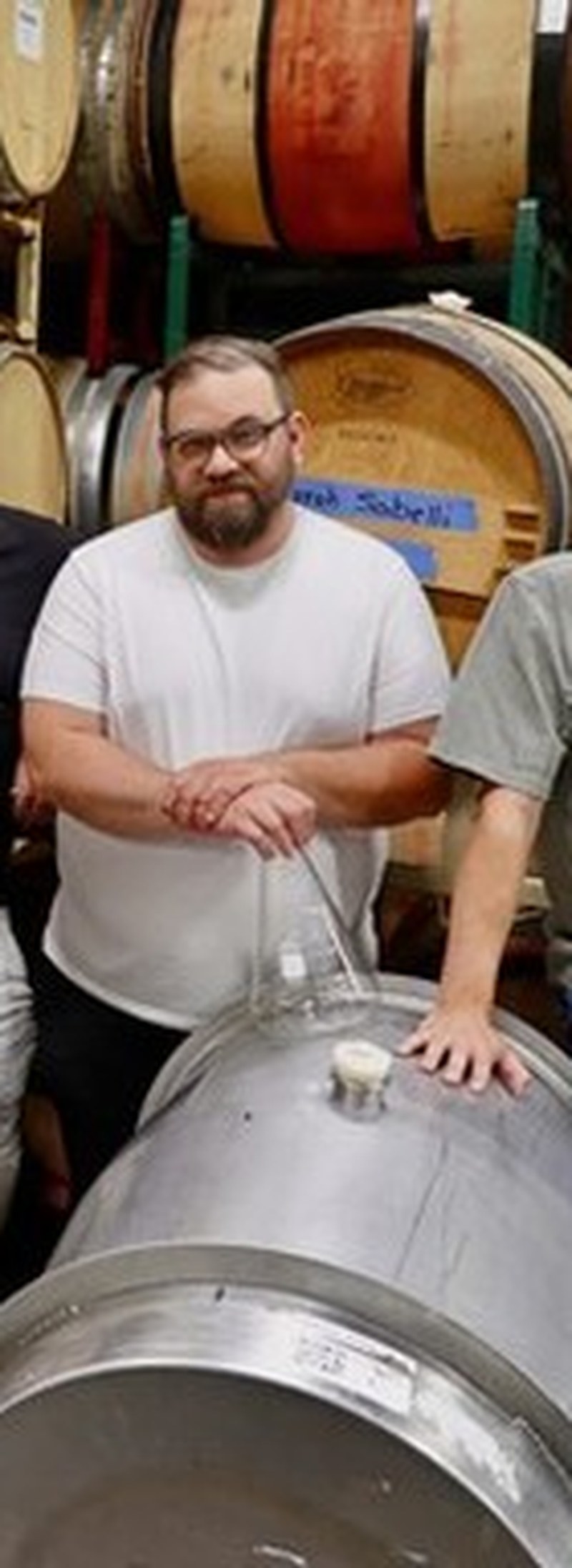
Greg is the reason the 2016 Malbec is still available in any quantity. Where Rose brings heritage and intuition to the winemaking process, Greg brings the discipline of iteration — the patience to run the same batch twelve different ways and care about the difference. Together they have built a small winery that produces wines far more interesting than its size would suggest.
Rose and Greg begin making wine at home — not as a hobby, but as a serious education. They read everything, taste everything, and make a lot of mistakes on purpose. Six years pass before a bottle leaves the house with a label on it. The patience proves worth it.
The 2016 Malbec from the Mokelumne River sub-AVA becomes Kareen Wine’s first commercial release. Aged 20 months in new French oak, it announces a winery with patience and ambition. The flagship wine it remains today — and at $90 a bottle, the one that says exactly what Kareen is.
The first fruit from Kareen’s estate vineyard in the Shenandoah Valley AVA — El Dorado County, Sierra Foothills. A very different terroir from Lodi: higher elevation, cooler nights, the volcanic and granitic soils of the Foothills. The estate will eventually become the home of the Armenian varietals.
The Pét-Nat White and Pét-Nat Barbera signal a new creative direction — low-intervention, naturally sparkling, unfiltered. The Barbera uses an indigenous Italian varietal that has never been widely planted in California. Kareen is experimenting in public, and it suits them.
Rose is mapping indigenous Armenian varietals — ancient grapes virtually unknown outside the Caucasus — for planting at the estate vineyard. If it works, Kareen will release wines that have never been made in California before. The old country, finally, comes home.
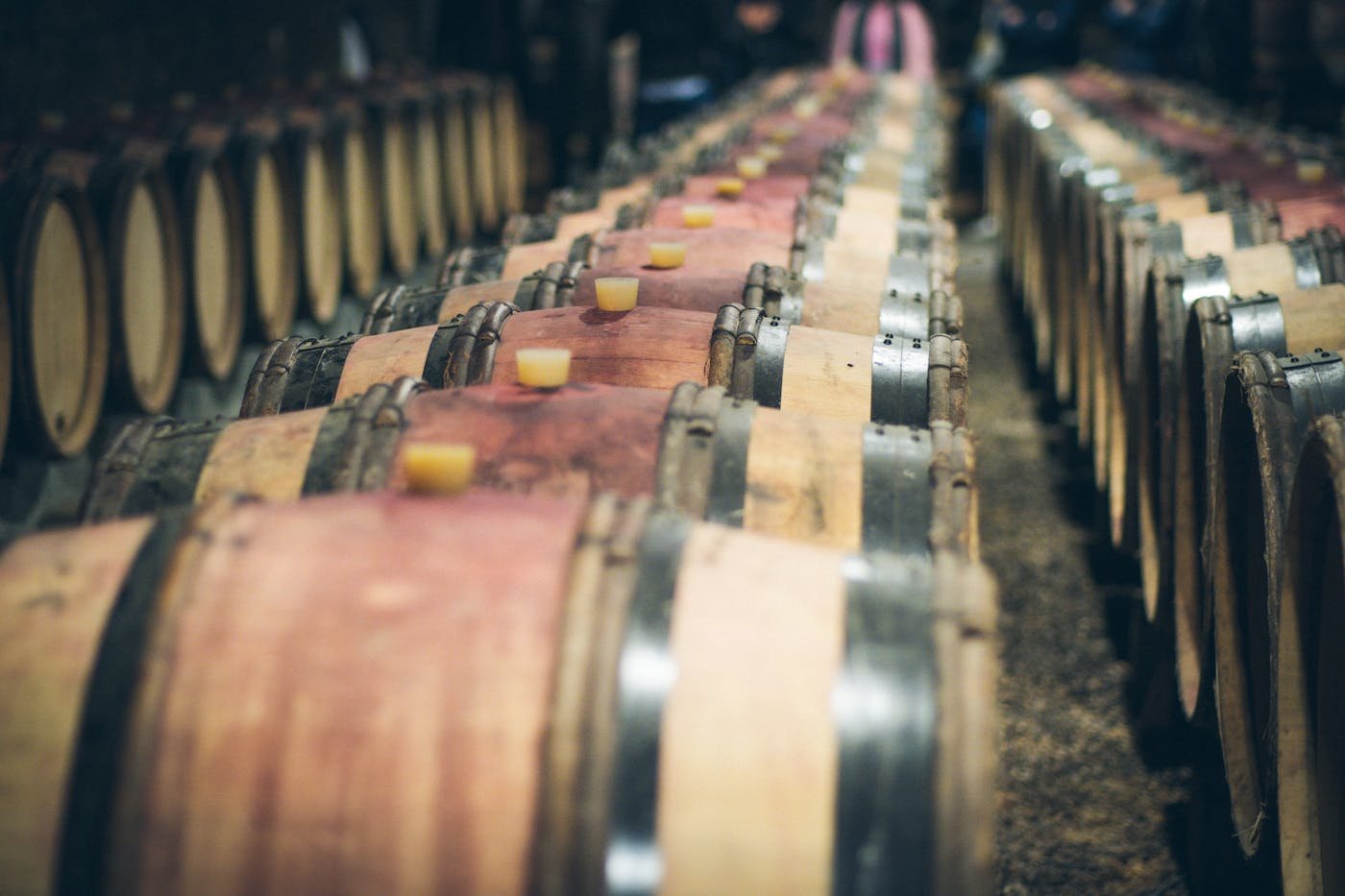
We didn’t choose Malbec because it was fashionable. We chose it because it reminded us of something older — something that deserved to be remembered. That’s still the only reason we make any wine here.
The Shenandoah Valley AVA sits in El Dorado County at elevations between 1,200 and 2,600 feet. It is Zinfandel country — and Rhône varietal country — with ancient volcanic and granitic soils, extreme diurnal temperature variation, and a history of viticulture stretching back to the Gold Rush.
Kareen’s estate vineyard here will eventually become the home of the Armenian varietals — an experiment that requires both the right soil and the right patience. Both appear to be present.
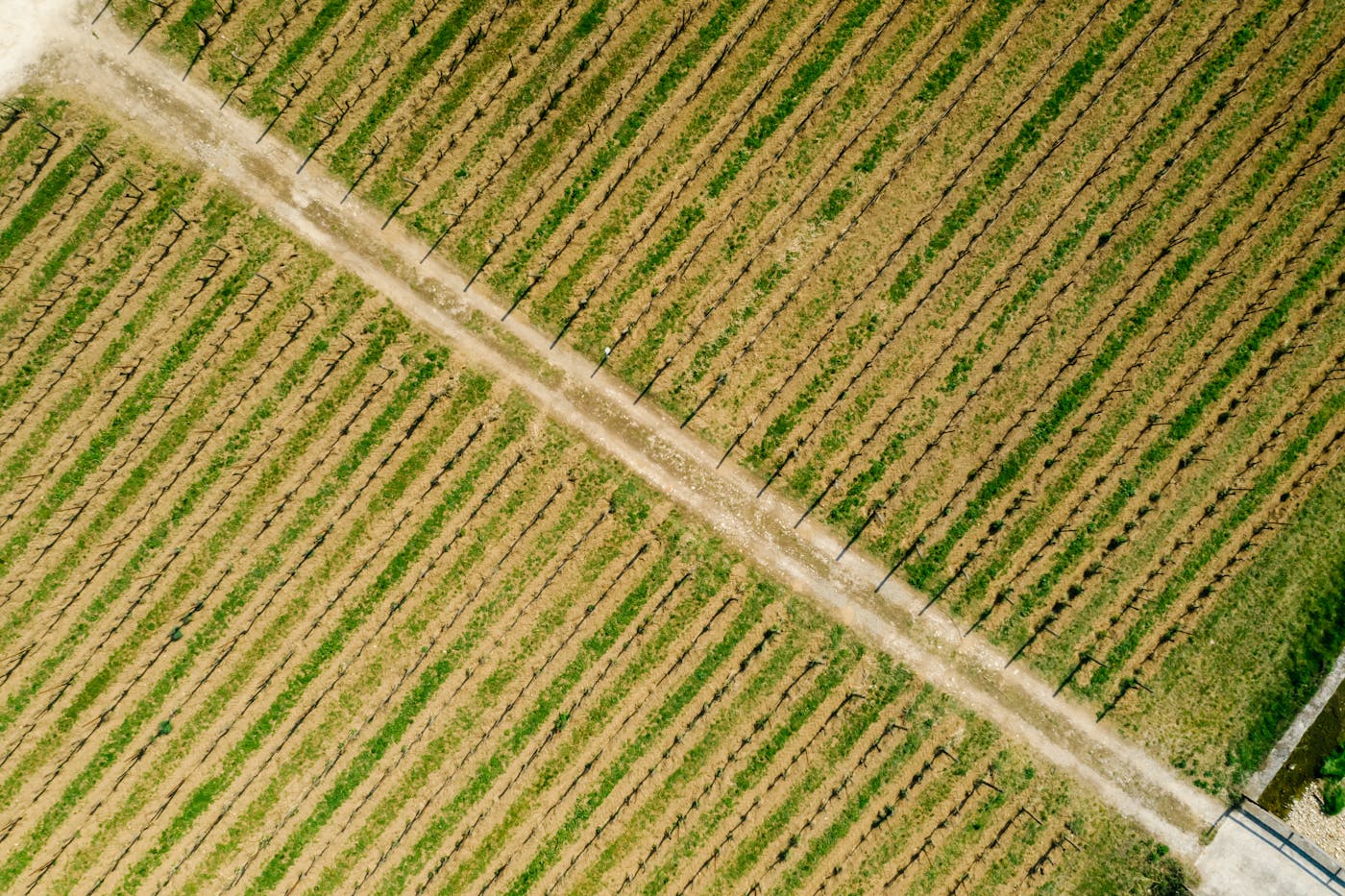
Armenia is one of the world’s oldest wine regions. Archaeological evidence of winemaking there dates to 6100 BC — roughly 2,000 years before Egypt, and 4,000 years before Greece. The grapes that grew there are still growing there, largely unknown outside the Caucasus.
Rose is working to change that. She is mapping indigenous Armenian varietals — Areni Noir, Voskehat, Kangun, and others — for eventual planting at the Shenandoah Valley estate. When they arrive, Kareen will be one of the only American wineries working with them.
The first Armenian varietal plantings at the Shenandoah Valley estate are in planning. The first wines, if everything goes as it should, will be something genuinely new — and very, very old.
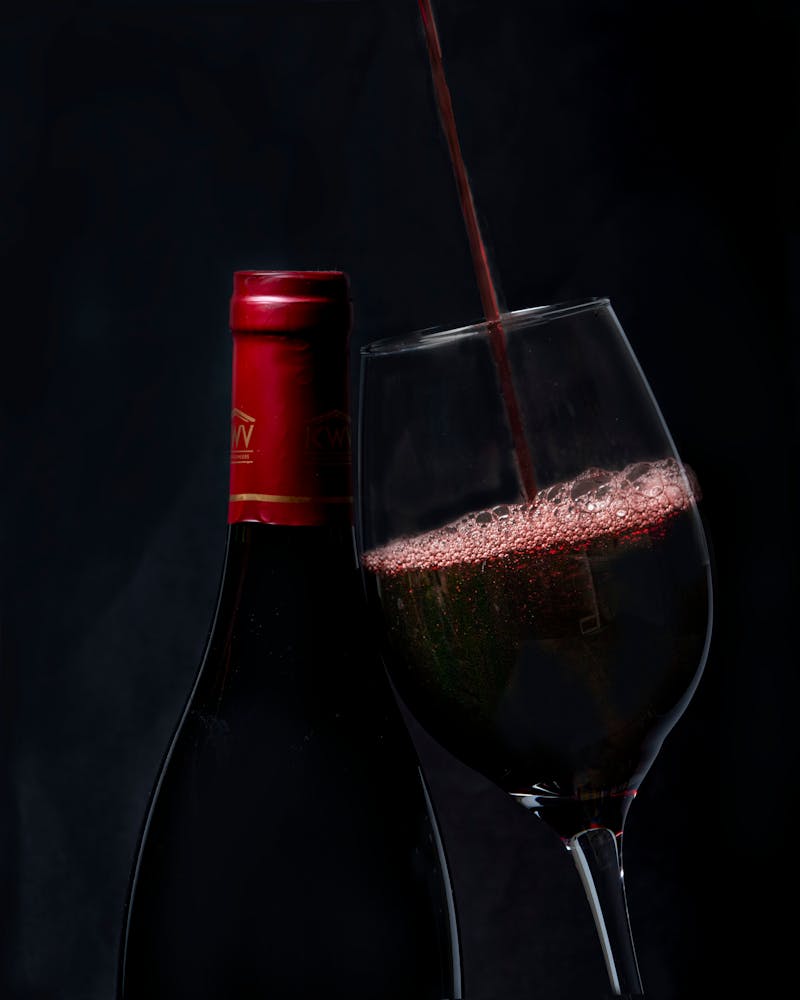
As Seen In
Episode 66 · November 2024 · 68 minutes
The full story — from the garage years to the estate vineyard to the Armenian varietal project — told in Rose and Greg’s own words. The best single introduction to who Kareen Wine is and why it exists.
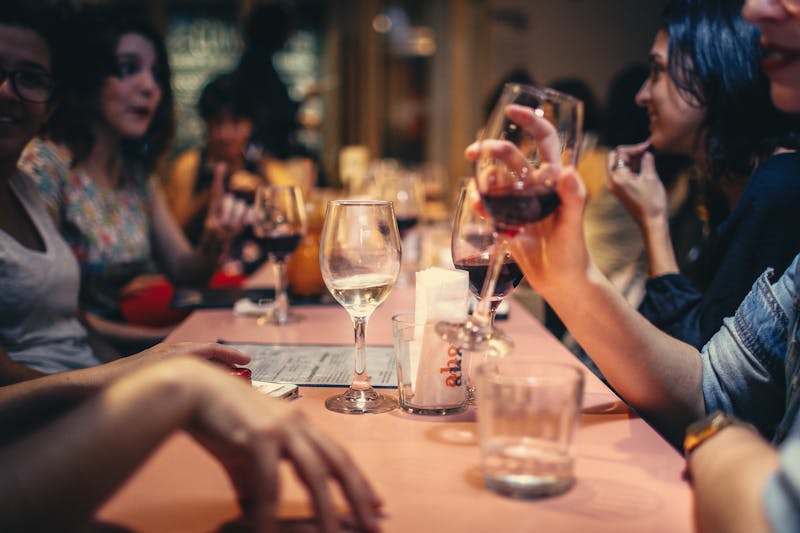

Wine Club
Club members receive quarterly allocations, 15% off every bottle, early access to new releases, and a handwritten winemaker letter with every shipment.